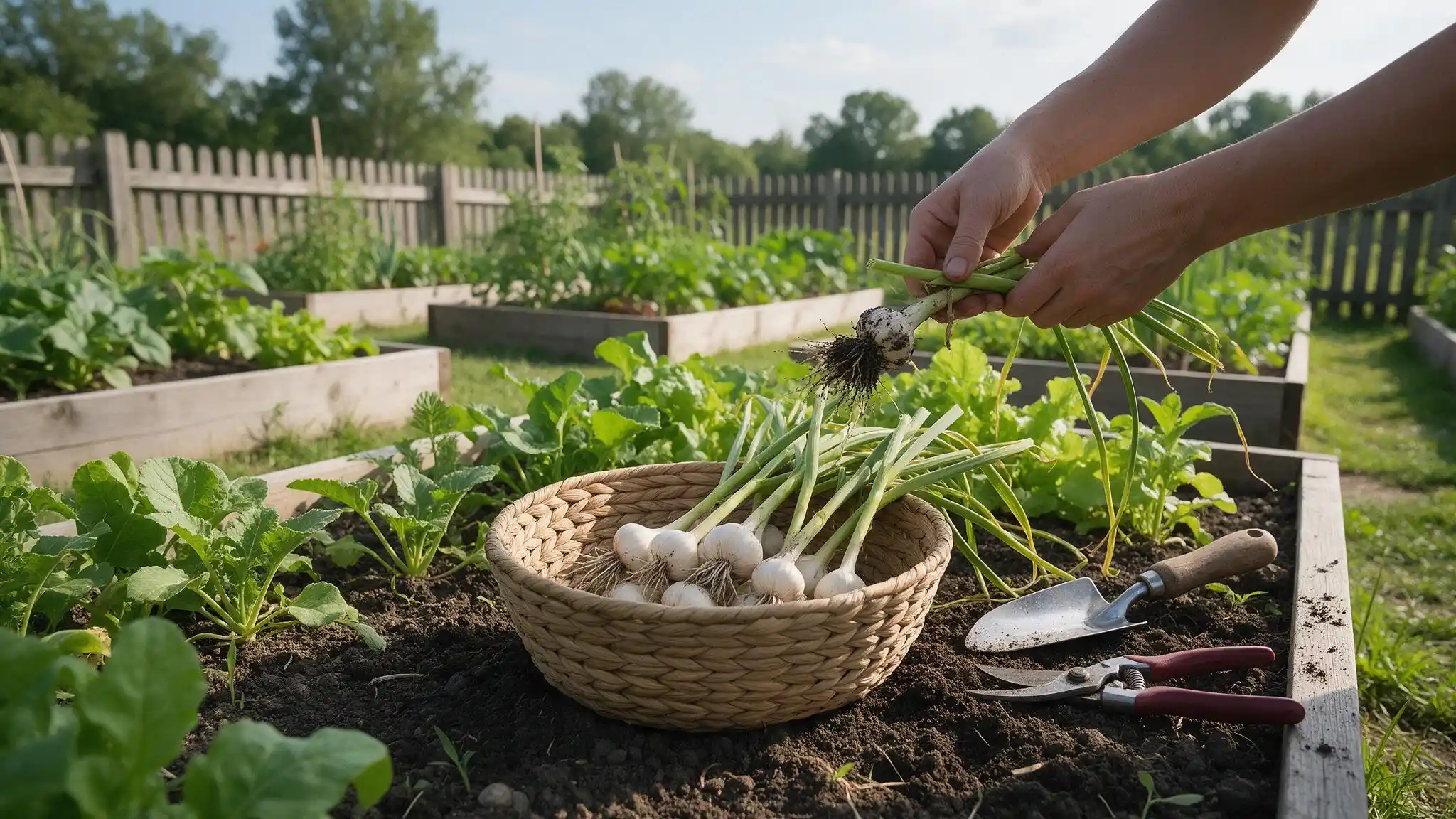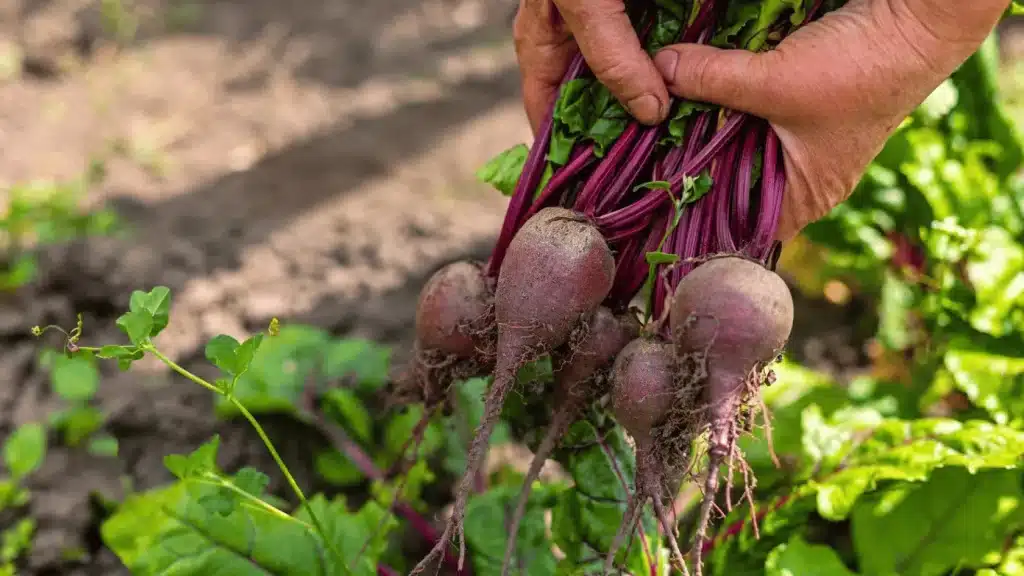
Beets reward patience. Tuck a handful of seeds into cool spring soil, and a few months later you’ll pull up colored roots that taste nothing like the vacuum-packed ones from the supermarket.
Anyone unsure about how to grow beets, or more precisely when to harvest them so they’re sweet rather than woody, has found the right patch of garden here.
This guide covers the whole process: soil, spacing, watering, thinning, feeding, and the exact signs that show it’s time to dig.
What Are the Best Beet Varieties to Grow at Home?
Beets come in many colors, shapes, and flavors, making it easy to choose a variety that suits your garden and kitchen.
Popular choices include Detroit Dark Red for classic deep-red roots, Golden Beets for a sweeter, milder taste, and Chioggia Beets for their striking striped interiors. If you want to harvest both roots and greens, choose varieties known for tender foliage.
For beginners, select fast-growing varieties that mature in cooler seasons and perform well in loose, compost-rich soil.
Growing more than one type can give you a colorful harvest and help you discover which beets thrive best in your garden.
How to Grow Beets? Getting the Basics Right
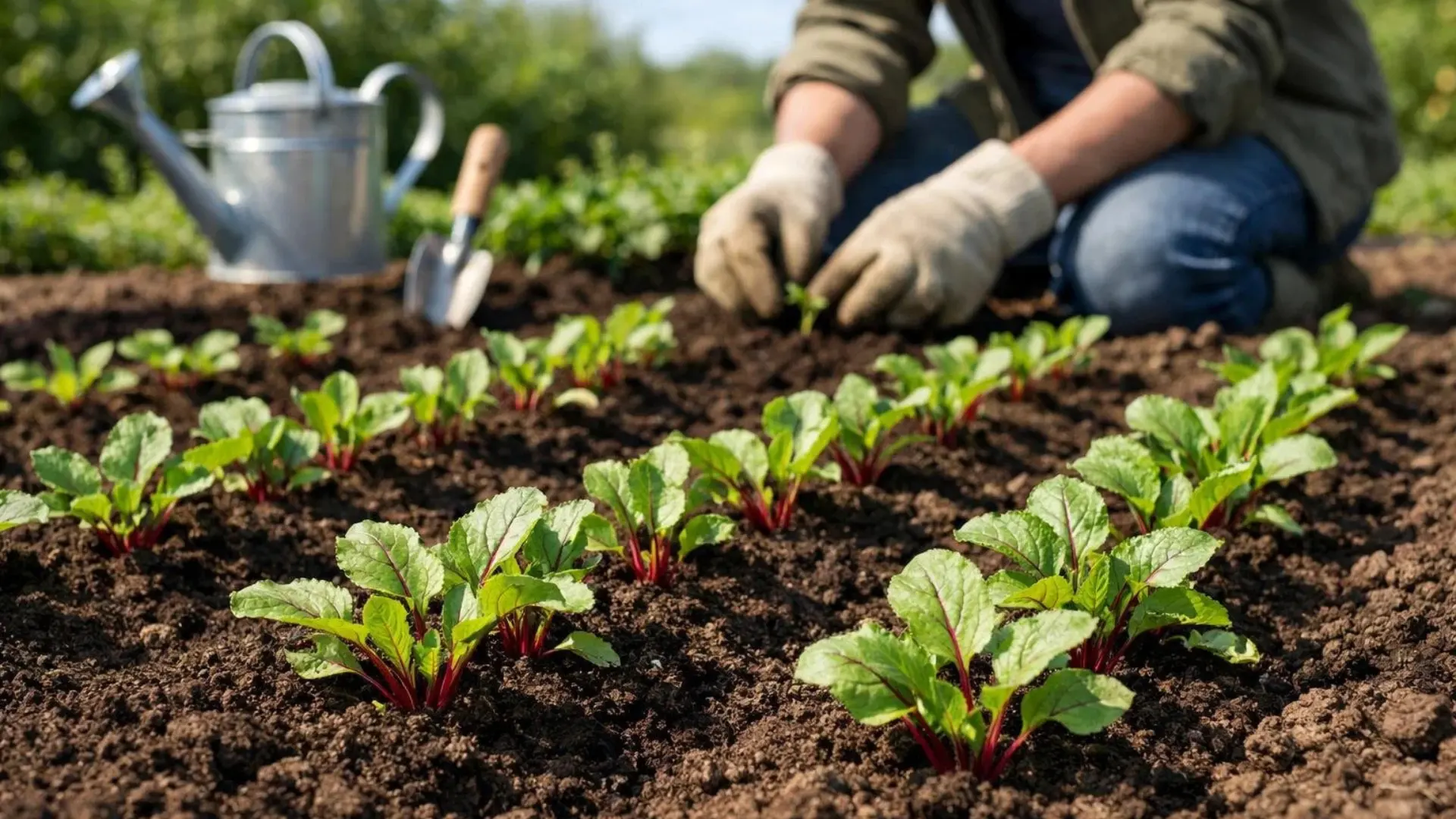
Beets are part of the group of crops that thrive in cooler seasons, together with spinach and peas; they tolerate frost well but get irritated by heat.
If you get the fundamentals right when planting, the rest of the season will take care of itself.
Step 1. Choosing a Sunny, Well-Drained Location
Beets grow best when they receive:
- At least six hours of direct sunlight daily
- Loose, fertile soil
- Good drainage
Although beets can survive in partial shade, their roots will usually remain smaller, and their leaves may lose color. Because beet roots develop underground, compacted or waterlogged soil can cause:
- Misshapen roots
- Cracking
- Stunted growth
- Uneven development
A sunny location with well-prepared soil gives beets the best chance to thrive.
Step 2. Preparing the Soil Beets Actually Like
Beets prefer loose, well-drained soil with a fine texture. Remove rocks, clumps, and old roots, and loosen the soil to at least 8 inches deep to prevent misshapen roots.
A soil pH between 6.0 and 7.0 is ideal. Add a couple of inches of compost before planting to improve moisture retention while preventing soggy conditions.
For heavy clay or poorly drained soil, mix in compost or well-rotted manure to improve structure and drainage.
Step 3. Seed Depth and Spacing
Plant beet seeds about ½ inch deep, spaced 1 inch apart, with rows 12–18 inches apart to allow room for thinning and maintenance.
Each beet “seed” is actually a cluster containing several seeds, so multiple seedlings often emerge from one spot. Thin them later to prevent overcrowding.
Keep the seedbed evenly moist during germination. In soil above 50°F, seeds usually sprout within 5–8 days; colder soil may take 2–3 weeks. Soaking seeds overnight can help speed up germination in cool spring conditions.
Step 4. Watering
Beets carry most of their roots in the top few inches of soil, so they dry out faster than you’d expect from a root vegetable.
Plan on about one inch of water per week, adjusting upward during dry spells.
A layer of mulch after seedlings emerge helps enormously; it keeps the soil surface from crusting over, which is one of the most common reasons beet seeds fail to sprout evenly in the first place.
Step 5. Thinning Without Damaging Roots
Once seedlings have their first true leaves and stand about four to five inches tall, it’s time to thin.
Recommendations vary slightly by source; Iowa State suggests thinning to three to four inches apart, while other growers leave a bit more room at four to six inches for larger varieties.
Either spacing works; what matters more is technique. Pulling seedlings tugs on the roots of their neighbors, so snip the unwanted ones at the soil line with scissors instead.
Timing Your Planting for Spring and Fall Crops
Beets are one of the few crops you get to plant twice in one season.
Plant the first batch in early spring as soon as the soil is workable, then plant every two to three weeks until midsummer again to ensure a continuous supply rather than one large harvest.
If you want to grow beets for a fall harvest, sow seeds once daytime temperatures begin dropping back below 75°F, typically late summer into early fall, timing it four to six weeks before your first expected frost.
Sowing while temperatures are still consistently above 75°F backfires: seeds germinate poorly, and any roots that do develop tend to bolt or turn fibrous.
If you’re mapping out a whole planting calendar this year, our gardening archives have more seasonal timing guides worth bookmarking alongside this one.
Fertilizing Beets Without Overdoing It
This is where restraint pays off. Beets grown in soil that’s already been amended with compost rarely need supplemental feeding, and heavy nitrogen fertilizer backfires.
It pushes the plant into producing lush, leafy tops at the expense of the root swelling underneath. If a soil test flags a real deficiency, a balanced, low-nitrogen fertilizer worked in at planting is plenty.
Otherwise, let the compost you added at bed prep do the job it was already doing.
When to Harvest Beets: Signs Your Roots Are Ready?
The question gardeners are asking can be explained by two factors working in conjunction: the calendar and the shovel test.
Root Size and Days to Maturity
Most beet varieties take about 50 to 70 days to go from planting to harvest, although heirloom types such as Lutz Green Leaf may take as long as 80 days.
Instead of just counting the days, examine the size of the root; beets can, in fact, be pulled out when they are about an inch in diameter, but the sweetest and most tender roots are generally harvested when they are between 1½ and 3 inches across.
Before you pull the beet, push some soil back at the base of the plant to have a look at the root’s shoulder.
To pull a beet without breaking it, use a hand fork to loosen the soil around the plant, then hold the base of the leaf stems and gently pull it out.
Harvesting Greens Along the Way
You don’t have to wait for the roots to reach full size to start eating from this crop.
You can harvest beet greens starting around three weeks after planting, once leaves reach two to three inches tall, and you can keep picking right through root harvest.
Take the outer, older leaves and leave the inner ones growing; removing more than about a third of the foliage at once slows root development, since the leaves are what feed the root in the first place.
Beets are worth growing for the greens alone, honestly. Raw beetroot delivers roughly 109 micrograms of folate per 100 grams; about 27% of the daily value in a single serving.
Storing Your Beet Harvest
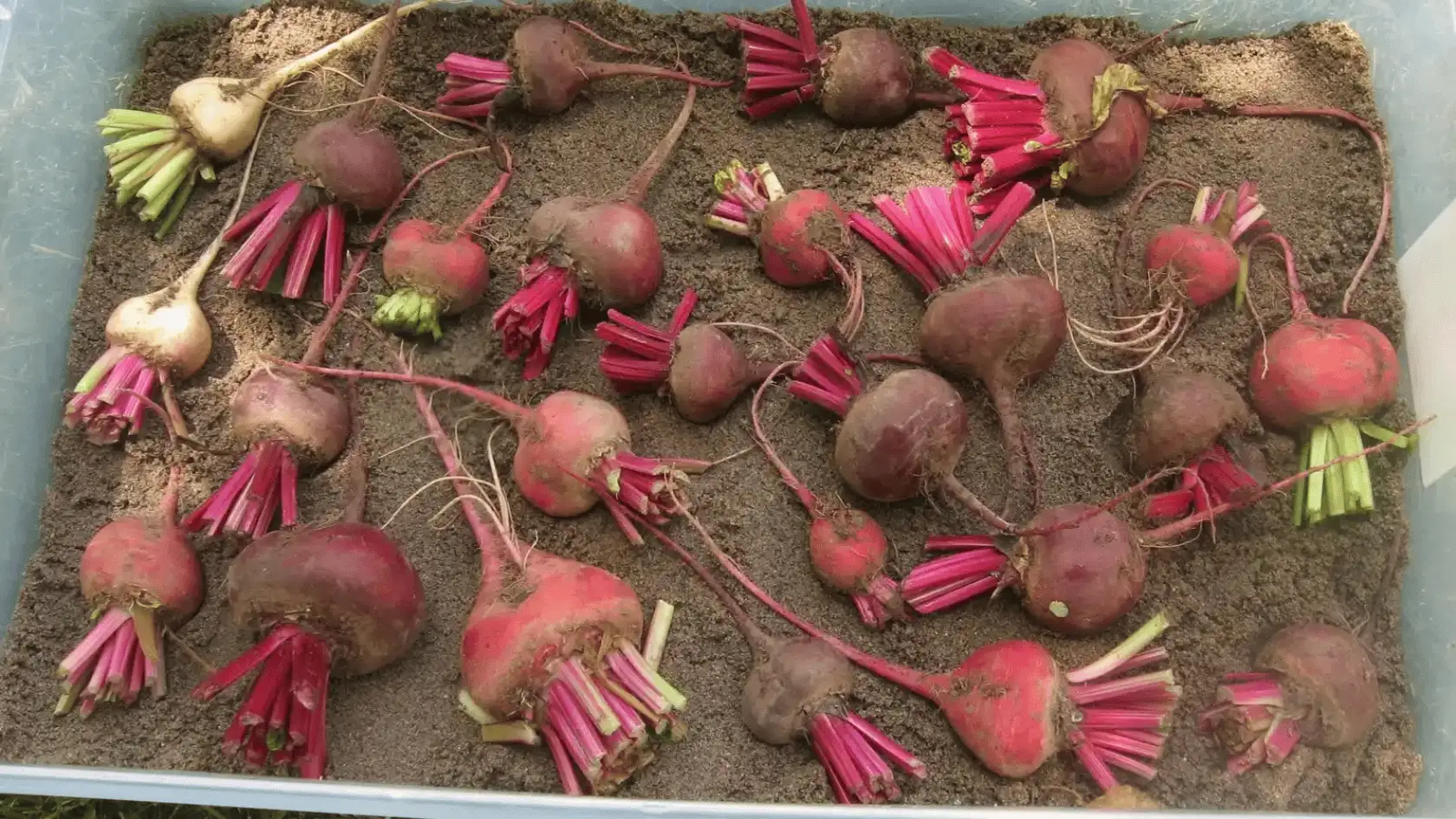
Trim the tops to about an inch of stem right after harvest. Leaving the leaves attached pulls moisture from the root and shortens its storage life.
Fresh beets keep in the refrigerator crisper for about a week. For longer storage, roots can be kept for three to four months in a cool, humid spot between 32°F and 35°F, layered in slightly damp sand if you have root cellar space.
Beet greens do not last as long. Plan to use them within a few days.
The Bottom Line
Once you’ve grown a round of beets, the rhythm sticks with you: loosen the soil, sow shallow, thin without mercy, water consistently, and keep an eye on root size rather than the calendar alone.
Knowing when to harvest beets really comes down to checking that shoulder peeking through the soil; somewhere between a golf ball and a tennis ball is the sweet spot, literally.
Plant a second round in late summer, and you’ll be pulling beets again well into fall.
For more season-by-season growing notes, our full gardening collection is a good next stop, and if you’re just getting your garden footing at all, this piece on starting out as a home gardener fills in the groundwork.
Frequently Asked Questions (FAQs)
1. Can I Harvest Beets Too Early?
Yes, but early beets are simply smaller and milder; not harmful, just less developed in flavor.
2. Do Beets Need Full Sun to Grow Well?
Yes. Aim for at least six hours of direct sunlight daily for strong root development.
3. Why Are My Beet Roots Small with Huge Leafy Tops?
Usually too much nitrogen, overcrowding from skipped thinning, or insufficient sunlight.
4. Can I Regrow Beets from The Greens I Harvest?
No, but cutting outer leaves regularly won’t stop the root from continuing to grow.
{
“@context”: “https://schema.org”,
“@type”: “FAQPage”,
“mainEntity”: [
{
“@type”: “Question”,
“name”: “Can I Harvest Beets Too Early?”,
“acceptedAnswer”: {
“@type”: “Answer”,
“text”: “Yes, but early beets are simply smaller and milder; not harmful, just less developed in flavor.”
}
},
{
“@type”: “Question”,
“name”: “Do Beets Need Full Sun to Grow Well?”,
“acceptedAnswer”: {
“@type”: “Answer”,
“text”: “Yes. Aim for at least six hours of direct sunlight daily for strong root development.”
}
},
{
“@type”: “Question”,
“name”: “Why Are My Beet Roots Small with Huge Leafy Tops?”,
“acceptedAnswer”: {
“@type”: “Answer”,
“text”: “Usually too much nitrogen, overcrowding from skipped thinning, or insufficient sunlight.”
}
},
{
“@type”: “Question”,
“name”: “Can I Regrow Beets from The Greens I Harvest?”,
“acceptedAnswer”: {
“@type”: “Answer”,
“text”: “No, but cutting outer leaves regularly won’t stop the root from continuing to grow.”
}
}
]
}