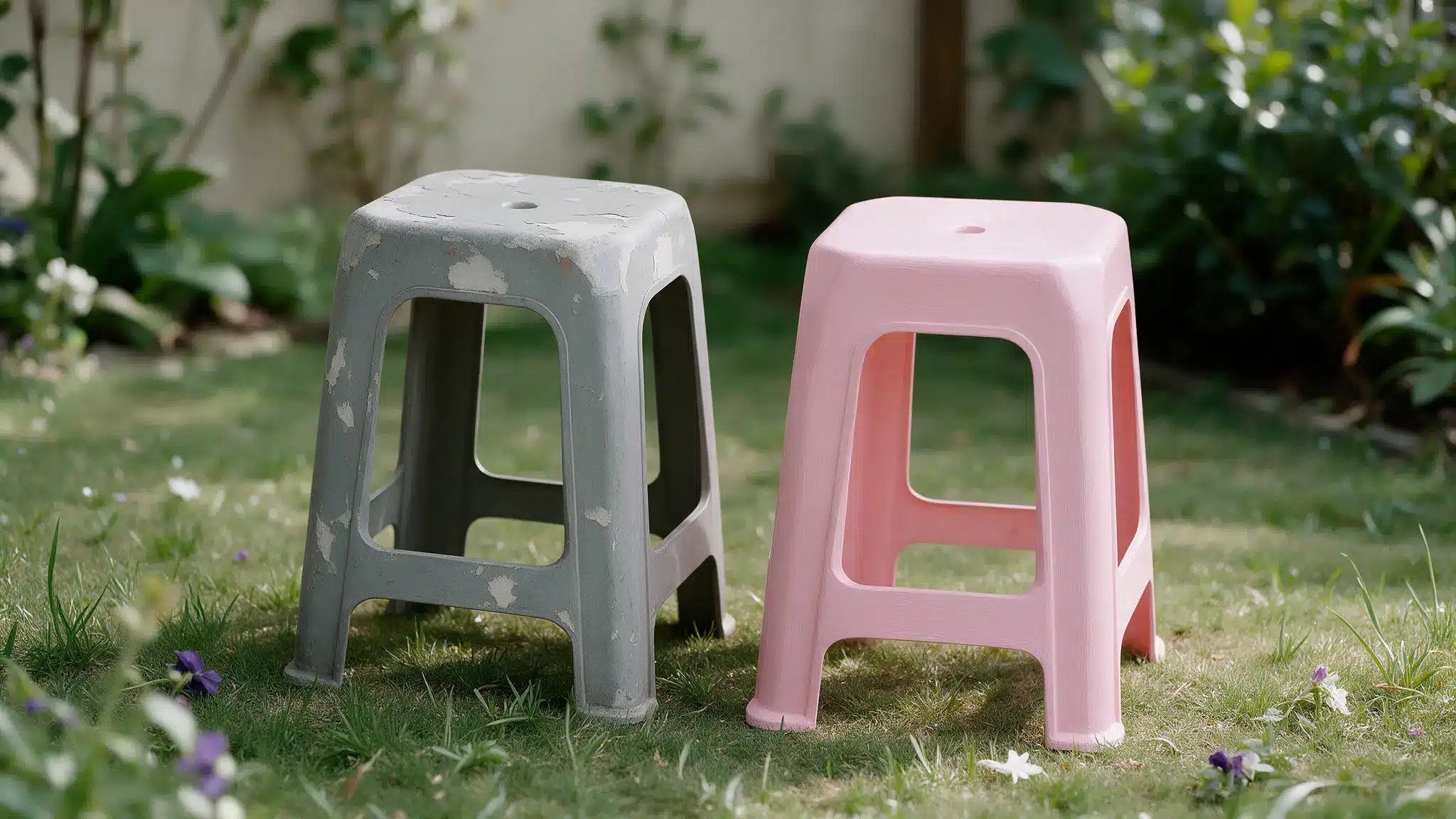
Chalk paint isn’t complicated once you know what actually goes into it.
Making chalk paint at home comes down to two things: paint, or, for outdoor art, cornstarch and water, mixed with something that softens the finish and gives it that dusty, matte texture.
Refinishing an old dresser and keeping kids busy on a summer afternoon call for two different recipes, but both use things already sitting in your kitchen or garage.
This post covers chalk paint for furniture, made from latex paint and a powdered additive, and sidewalk chalk paint for outdoor art, made from cornstarch or crushed chalk. Both take under fifteen minutes and require no special tools.
What Chalk Paint Actually is?
Chalk paint is a flat, velvet-like paint made by combining a flat paint with powders such as plaster of Paris, calcium carbonate, or baking soda.
This paint is not made from chalk, nor does it relate to chalkboard paint, which is specially designed for use with chalk.
It gets its name from the flat, dusty surface that remains after the paint is applied, similar to a plastered wall rather than a shiny painted wall.
Commercially available chalk paint costs between $20 and $35 per quart.
How to Make Chalk Paint for Furniture?
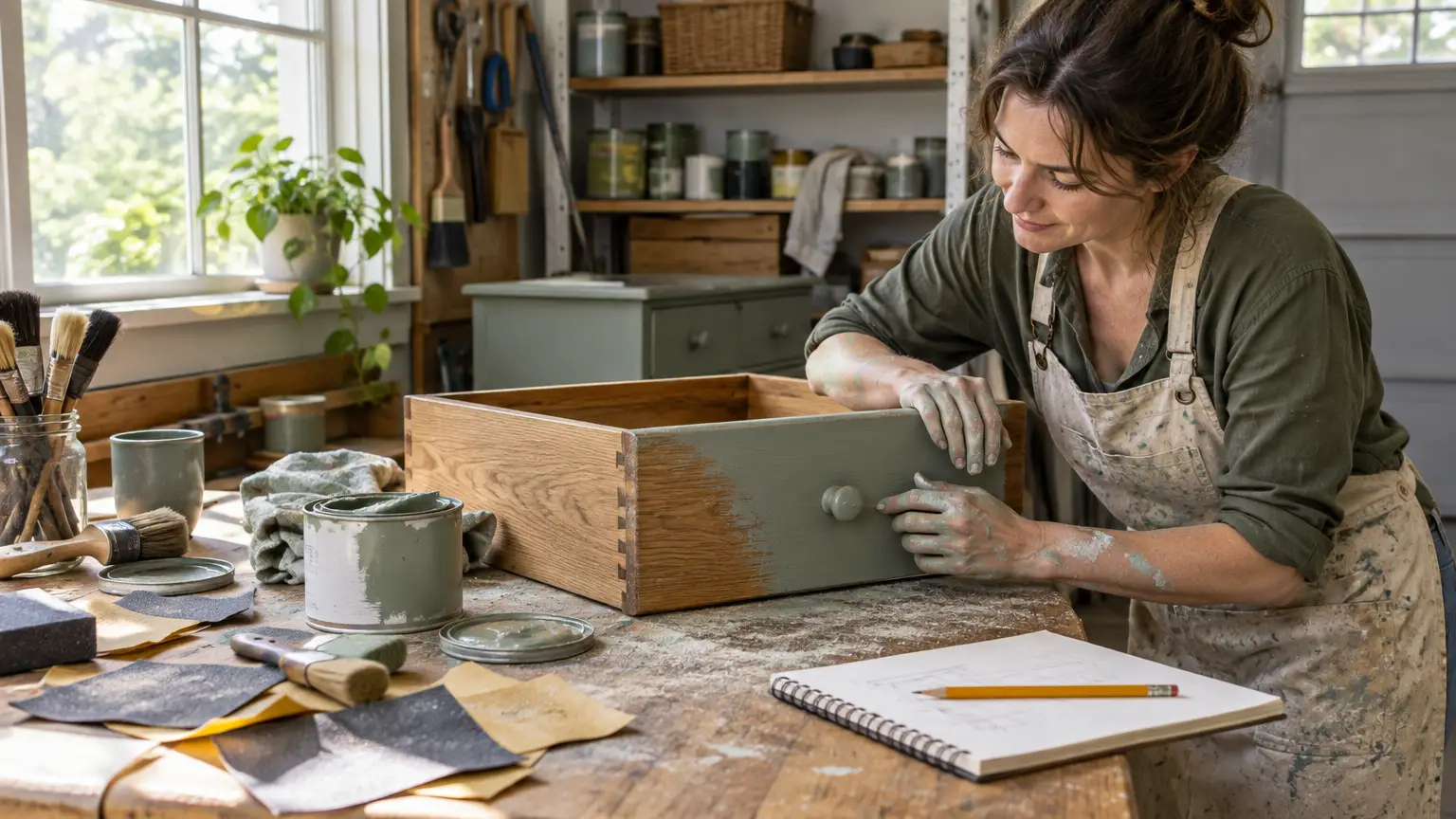
Furniture chalk paint is made from any flat type of latex paint that is available in your house.
The following ingredients adjust the consistency and cost of the resulting paint: plaster of Paris, calcium carbonate, and baking soda.
You should choose a technique depending on the items that are available.
Plaster of Paris Method

This is the ratio most furniture painters reach for first, since one part plaster to four parts paint gives a smooth, sturdy finish without much sanding between coats.
1. Mix a quarter cup of warm water into a quarter cup of plaster of Paris until it’s completely smooth, with no lumps left.
2. Stir the mixture into one cup of latex paint until fully combined.
3. Add water a tablespoon at a time if the paint feels thick or drags under the brush.
4. Paint your first coat and let it dry fully before adding a second.
Calcium Carbonate Method

Calcium carbonate mixes faster than plaster and leaves a slightly finer texture, which many painters prefer for smaller pieces or detailed trim.
1. Add four tablespoons of calcium carbonate to one cup of latex paint, one tablespoon at a time.
2. Stir until all traces of powder disappear into the paint.
3. Thin with water only if the brush starts dragging or the coverage looks patchy.
Baking Soda Method

Baking soda is the cheapest option most people already have on hand, though it leaves a rougher texture that usually needs more sanding between coats.
1. Mix equal parts baking soda and water into a thick paste.
2. Stir the paste into one cup of paint until the soda fully dissolves.
3. Sand lightly with fine-grit paper after each coat dries for a smoother, more even result.
Which Paint Works Best?
Matte latex paint creates the proper chalk-paint texture because gloss or semi-gloss paints repel chalk paint powder, which can lead to streaks after drying.
Craft paint based on acrylic is an alternative when there are no other paints available; however, it is much faster and thinner compared to latex and requires several layers.
How to Make Sidewalk Chalk Paint for Kids?
The sidewalk chalk paint eschews using any kind of powders and relies on common household ingredients.
The recipe requires little guidance, and it washes off skin, clothing, and concrete easily without leaving stains.
Cornstarch Method

This is the fastest recipe and the one most parents reach for first.
1. Whisk 1 cup cornstarch and 1 cup water in a bowl until smooth.
2. Divide the mixture into smaller cups or a muffin tray, one color per cup.
3. Stir a few drops of food coloring into each container until the color is even.
4. Paint onto the sidewalk with a brush right away, since the mixture settles fast if it sits.
Crushed Chalk Method

This method skips cornstarch entirely and produces the exact shade of whatever chalk you started with, which makes color matching easy for touch-ups.
1. Crush a few sticks of sidewalk chalk with a mallet or the back of a heavy spoon.
2. Add water a tablespoon at a time until the mixture reaches a paintable consistency.
3. Stir well before each use, since the crushed chalk settles quickly once it sits.
Adding Baking Soda for Thickness

A tablespoon of baking soda stirred into the cornstarch mixture thickens it up without changing the color, which helps on hot days when the paint tends to run thin on warm concrete.
1. Stir a tablespoon of baking soda into the dry cornstarch before adding any water.
2. Add water gradually once the baking soda is evenly distributed through the cornstarch.
3. Mix until the batch thickens, then divide it into containers and add food coloring as usual.
How to Fix Common Chalk Paint Problems?
Most chalk paint issues come down to ratio, not technique. A few quick fixes solve almost everything painters and parents run into, whether it’s paint that clumps or paint that separates overnight in the container.
Testing a small patch on scrap wood or an out-of-the-way corner of the driveway first shows how a batch will behave before it’s spread across a whole project.
Paint is too Thick or Clumpy
Pour the water into the mixture, a tablespoon at a time, and stir well each time you add some. You do not want to add too much water all at once, as it becomes difficult to gauge the consistency of the mixture.
Paint separates after sitting
Cornstarch and powder will settle if left standing for more than one day. Stir vigorously before each application, and make just enough for the next one or two days for best results.
Smaller batches also mean less gets thrown out if a batch doesn’t work.
Sidewalk Chalk Paint Fades or Streaks Quickly
Thin paint dries into a weak layer that lifts off with the first footstep or rain shower.
Thicken the mixture slightly with extra cornstarch or a bit of baking soda, and let each layer dry a few minutes before adding a second coat over it.
Painting on a warm, dry surface instead of damp concrete also helps the color set faster and resist smudging once kids start walking or biking back over their own artwork.
How to Store and Seal Chalk Paint?
Storage looks different for each project. Furniture chalk paint needs a sealer to hold up to daily use, while sidewalk chalk paint just needs a lid and a cool spot until the next painting session.
Skipping this step is the main reason a painted dresser scuffs within weeks or a batch of sidewalk paint dries out in the container before the next afternoon of outdoor art.
Sealing Furniture Chalk Paint
Let the final coat dry for a full day before applying furniture wax or a matte topcoat. Buff the wax in with a soft cloth once it sets, and plan to reapply every few months on pieces that see daily use, like tabletops and drawer fronts.
A thin, even layer works better than a heavy one, since too much wax at once can pool in corners and take noticeably longer to buff to a smooth finish.
Storing Sidewalk Chalk Paint
Pour leftover paint into a container with a tight lid and keep it in the fridge for a few days. Stir well before the next use, since the cornstarch settles to the bottom almost immediately once it’s left alone.
Labeling each container by color also saves time later, since dried lids and faded colors on the outside make it hard to tell one batch apart from another after a few days in the fridge.
Conclusion
Chalk paint comes down to two ingredients doing the real work: a base, either paint or cornstarch, and something that changes its texture.
Once you understand that, every recipe on this list is really just a variation on the same idea, and knowing how to make chalk paint at home means you’re never stuck waiting on a store-bought quart.
Start with plaster of Paris if you’re refinishing furniture and want a smooth finish with minimal sanding, or reach for the cornstarch method if you’re mixing sidewalk chalk paint for an afternoon of outdoor art.
Either way, the ingredients are already in your kitchen, the mixing takes minutes, and the results hold up on a dresser or a driveway just the same.
Frequently Asked Questions (FAQs)
1. Does Homemade Chalk Paint Need a Primer First?
No. The chalk paint adheres right away to any unfinished wood, laminate, or previously painted surface, with no need for sanding or priming.
2. Is Sidewalk Chalk Paint Safe for Toddlers to Use?
Yes, because both ingredients are nontoxic and wash out with water.
3. Can Acrylic Craft Paint Replace Latex Paint in These Recipes?
Hardly. The acrylic paint is thinner and quicker to dry compared to the latex.
4. How Long Should Each Coat Dry Before Adding Wax?
Leave it for a full day. Otherwise, sealing too soon will trap moisture under the surface of the coating.