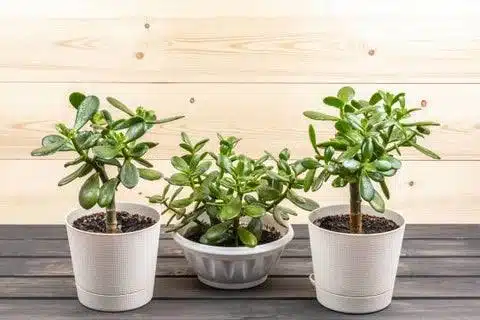
The jade plant is a popular indoor succulent valued for its thick, glossy leaves and low-maintenance growth.
Small and sturdy, it became popular as an indoor succulent because it’s easy to care for and long-lived, storing water in its leaves so a missed watering rarely does much harm.
Crassula ovata is its scientific name, placing it in a family of plants built to handle dry, low-water conditions.
Deep green and glossy, the leaves often pick up a faint red edge once the plant gets enough direct sun.
It grows wild in South Africa and Mozambique, where dry soil and strong sunlight shaped its thick, water-holding leaves and stems over time.
Feng Shui and Vastu traditions tie wealth, luck, and steady growth to the plant.
Benefits of Jade Plants
The jade plant is valued for its attractive appearance, low-maintenance care, and long lifespan. It is also associated with prosperity, positive energy, and good fortune in several cultural traditions.
These beliefs have made it a popular choice for homes, offices, and business spaces.
1. Easy to Care For
Jade plants require little attention once established.
They tolerate occasional missed watering, grow well in bright indoor locations, and need only well-draining soil and moderate watering to remain healthy throughout the year.
2. Long-Lasting Houseplant
A healthy jade plant can live for several decades, making it one of the longest-lasting indoor plants.
Its slow growth allows it to maintain an attractive shape while becoming a lasting feature in homes, offices, or indoor gardens.
3. Improves Indoor Decor
Thick green leaves and a small tree-like form give the jade plant a clean, decorative appearance.
It fits easily on desks, shelves, windowsills, or coffee tables and complements both modern and traditional interior styles.
4. May Create a Calming Environment
Adding greenery to indoor spaces often makes a room feel more comfortable and welcoming.
A jade plant introduces a natural element that many people enjoy in living rooms, bedrooms, home offices, and other frequently used spaces.
5. Suitable for Small Spaces
The jade plant grows well in containers and remains compact for many years.
Its manageable size makes it suitable for apartments, office desks, windowsills, and other indoor areas with limited space.
6. Easy to Propagate
You can grow new jade plants from healthy leaves or stem cuttings with basic care.
Propagation is a simple way to expand your collection or share healthy plants with family and friends.
7. Associated with Good Luck and Prosperity
Many cultures connect jade plants with wealth, success, and financial prosperity.
Because of these traditional beliefs, they are often placed near entrances, workspaces, or business areas and are popular gifts for special occasions.
8. Popular in Feng Shui
Feng Shui associates the jade plant with positive energy, growth, and financial abundance.
It is commonly placed in selected areas of a home or office based on traditional placement practices rather than scientific evidence.
9. Makes a Thoughtful Gift
A jade plant is a popular gift for birthdays, housewarming celebrations, weddings, and new business openings.
Its attractive appearance, long lifespan, easy maintenance, and traditional symbolism of prosperity make it a meaningful choice for many different occasions and recipients.
What is a Jade Plant Good For?
The jade plant serves several practical and decorative purposes in indoor spaces. Also, people choose it because it grows well in containers and fits easily into different interior settings.
Decorating Homes and Offices
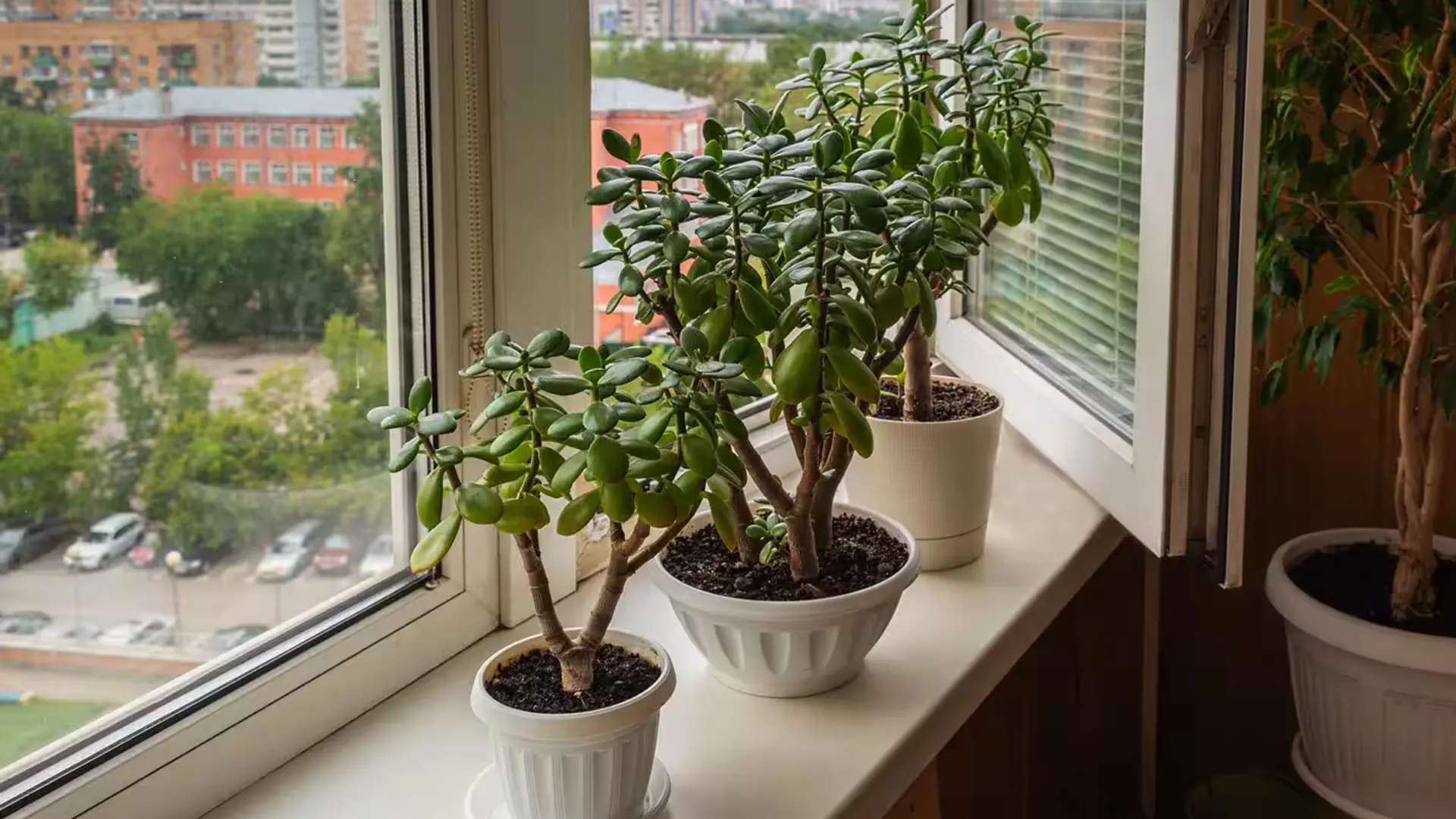
Jade plants add natural greenery to living rooms, bedrooms, offices, and reception areas.
Their compact size fits easily on desks, shelves, windowsills, and tabletops while complementing a range of interior styles.
Beginner-Friendly Indoor Gardening
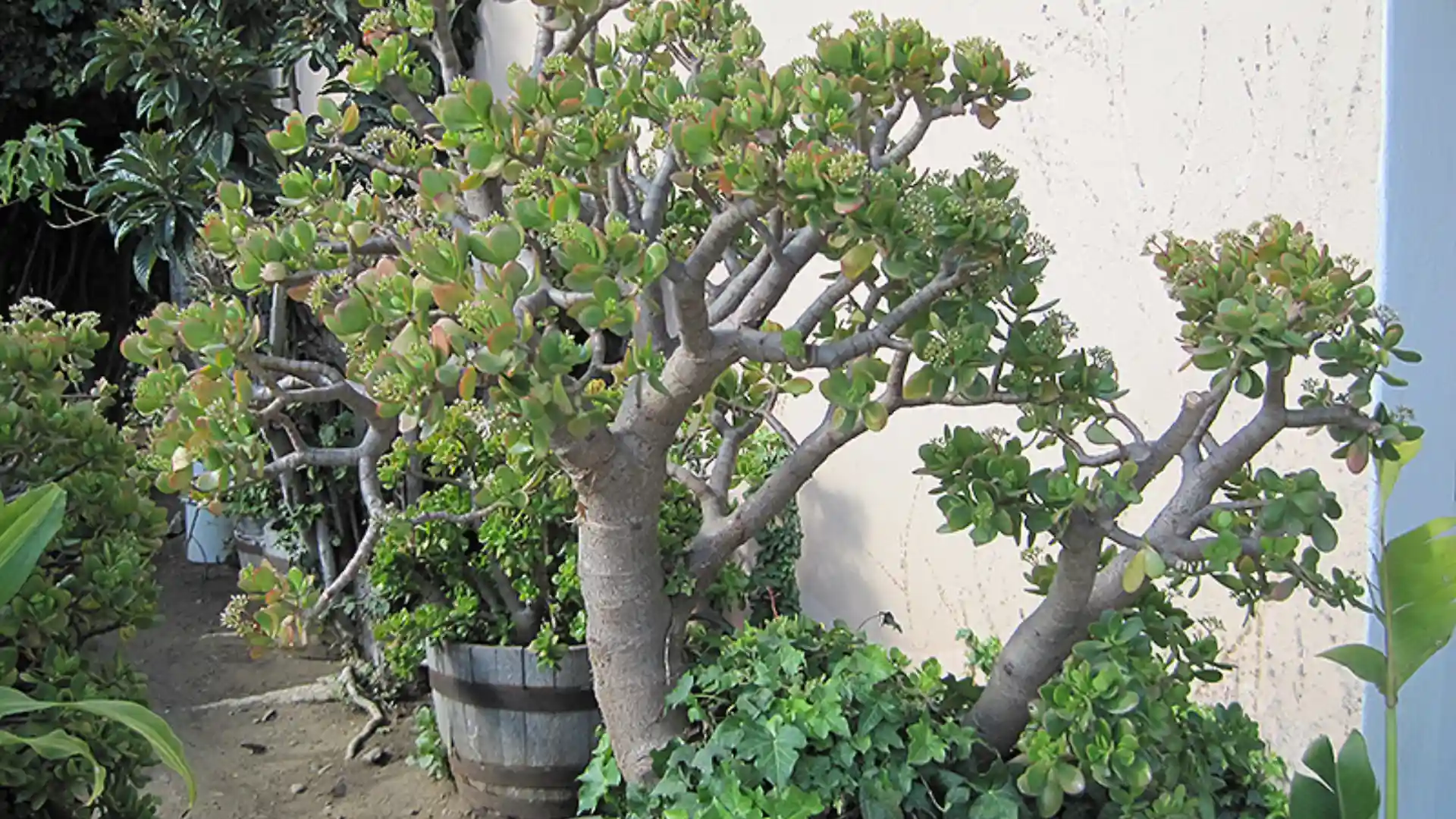
Since jade plants require only basic care, they suit beginners. Bright light, occasional watering, and well-draining soil are usually enough to keep them healthy for many years.
Housewarming and Business Gifts
Jade plants are a popular choice for housewarming parties, weddings, birthdays, and new business openings since their long lifespan and traditional association with prosperity.
Feng Shui and Vastu Beliefs About Jade Plants
Jade plants are strongly tied to wealth and positive energy in both Feng Shui and Vastu Shastra. Each tradition follows its own placement rules and preferred directions, shaped by centuries of cultural belief.
| Feng Shui | Vastu Shastra |
| Believed to attract wealth and abundance. | Believed to invite positive energy and prosperity. |
| Often placed in the southeast area. | Commonly placed in the southeast direction. |
| Popular for homes and business spaces. | Frequently kept in homes and offices. |
| Symbolizes growth and good fortune. | Associated with harmony and financial well-being. |
| Known as the “money plant” for its coin-shaped leaves | Tied to the element of fire in the southeast direction. |
| Avoided in bathrooms, since wastewater is believed to drain wealth energy. | Avoided in bedrooms, since active energy may disturb rest. |
|
Considered helpful for reducing stress in a workspace. |
Linked to better focus and calmer decision-making at a desk. |
These benefits are based on traditional Feng Shui and Vastu beliefs, not scientific evidence.
Where Should You Place a Jade Plant?
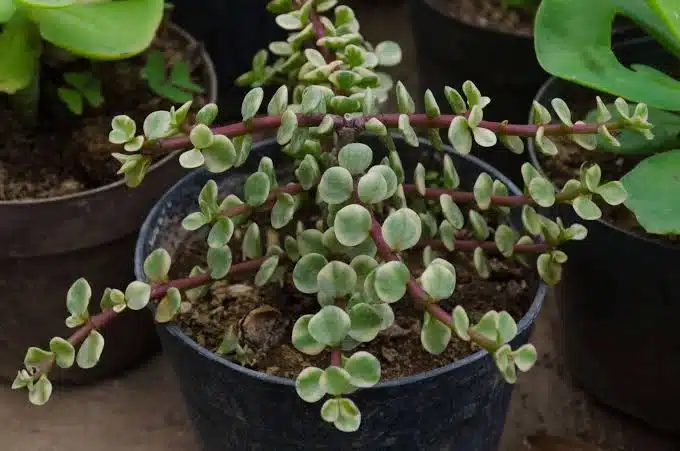
A jade plant grows best in a location that receives plenty of natural light and has stable indoor temperatures.
The right placement also helps maintain healthy growth while allowing the plant to complement your home or office décor.
Near a Sunny Window
Place it near a south- or west-facing window where it receives 4-6 hours of bright sunlight each day. Consistent light supports healthy growth.
It keeps the leaves vibrant and helps the plant maintain its compact shape.
In the Living Room
A bright living room provides ample natural light for healthy growth while making the jade plant an attractive decorative feature.
Place it on a table, shelf, or stand where it can receive regular sunlight.
On an Office Desk
A jade plant grows well on office desks or workstations with access to natural light.
Its compact size, slow growth, and low-maintenance care make it a practical choice for indoor workspaces.
On a Balcony or Patio
A balcony or covered patio is suitable when temperatures remain mild throughout the day.
Bring the plant indoors before frost, heavy rain, or extreme afternoon heat to prevent unnecessary stress and leaf damage.
Avoid Dark or Damp Areas
Keep the jade plant away from dark corners, damp rooms, or locations near heating and cooling vents.
Poor lighting and excessive moisture can weaken growth, increase the risk of root rot, and affect the plant’s overall health.
Rotate your jade plant every few weeks to encourage even growth.
How to Keep a Jade Plant Healthy?
Healthy jade plants grow well with consistent care and suitable growing conditions.
Regular attention to sunlight, watering, soil, and temperature helps the plant stay strong, maintain healthy leaves, and continue growing for many years.
- Water Only When the Soil is Dry: Allow the soil to dry completely before watering the plant again. Check the soil with your finger.
- Use Well-Draining Soil: Choose a cactus or succulent potting mix that drains water quickly after each watering.
- Choose the Right Pot: Use a pot with drainage holes so excess water can flow out easily after watering.
- Protect it from Extreme Temperatures: Jade plants prefer warm temperatures and remain healthiest in a stable indoor environment.
Keep them away from frost, cold drafts, heating vents, and air conditioners, which can cause sudden temperature changes.
Conclusion
Jade plant benefits extend beyond their attractive appearance.
Their easy care, long lifespan, and traditional association with prosperity make them a popular choice for homes and offices.
Although these beliefs come from cultural traditions rather than scientific evidence, proper sunlight, moderate watering, and well-draining soil help the plant remain healthy for many years.
Its compact size, decorative appeal, and low-maintenance nature make it an excellent indoor plant.
Frequently Asked Questions (FAQs)
1. How Fast Does a Jade Plant Grow?
Jade plants grow slowly, typically 2-4 inches per year, depending on sunlight, watering, temperature, and overall growing conditions.
2. Is a Jade Plant Safe for Pets?
No. Jade plants are toxic to cats and dogs and may cause vomiting, lethargy, or coordination problems if eaten.
3. How Long Can a Jade Plant Live?
With proper care, a jade plant can live50 to 100 years, making it one of the longest-living houseplants.